
timforklift.com'u Google'da tercih edilen kaynak olarak ekleyin
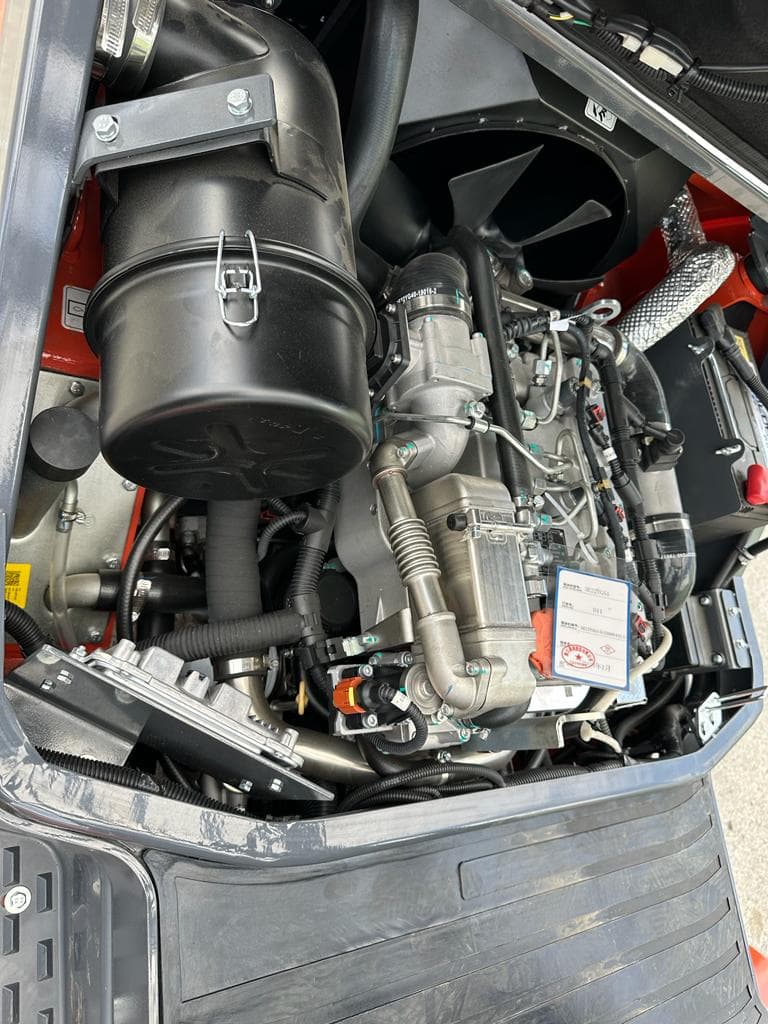
Diesel forklift fuel consumption refers to the amount of fuel a forklift uses while operating. It is usually calculated in liters per hour and varies depending on the forklift’s operating conditions. Engine power, load capacity and operating time are among the factors that directly affect the consumption rate.
Diesel engines produce high torque and power, providing a major advantage when handling heavy loads. This high performance directly affects fuel consumption. The operator’s usage habits, efficient engine operation and regular maintenance of the forklift play an important role in keeping consumption under control.
Since fuel consumption makes up a significant share of operating costs, it is a factor that must be managed correctly. Through regular maintenance, efficient driving techniques and the use of suitable fuel, fuel efficiency can be improved and costs optimized.
What Factors Affect the Fuel Consumption of Diesel Forklifts?
Forklift Capacity and Engine Power
The fuel consumption of diesel forklifts is directly related to their lifting capacity and engine power. As load capacity increases, more fuel is consumed to produce more power. Choosing a forklift with a capacity that matches the need is very important for businesses in terms of cost and efficiency.
Engine power is one of the key elements that determine a forklift’s performance. Powerful engines offer the advantage of moving heavy loads quickly and efficiently, while fuel consumption increases accordingly. It is very important for efficiency that businesses balance engine power with the loads to be handled and the operating conditions.
Engine efficiency directly affects fuel consumption. The forklift’s engine design, the effectiveness of the fuel system and regular maintenance processes make it possible to achieve maximum performance with lower fuel consumption.
Working Environment and Floor Conditions
The environment and floor conditions in which forklifts operate play a decisive role in fuel consumption. Forklifts working on hard, smooth surfaces move with less friction and use less energy. Forklifts working on damaged and uneven floors or on ramps require the engine to produce more power, which increases fuel consumption.
When working indoors without adequate ventilation, the forklift’s performance may drop and fuel efficiency may decrease. Outdoors, weather conditions, wind resistance and ground conditions are among the factors that affect consumption.
Planning the work area efficiently and providing suitable floor conditions increases fuel savings and lowers operating costs.
Usage Intensity and Operating Time
The usage intensity and operating time of forklifts are among the elements that directly affect fuel consumption. Heavily used forklifts consume more fuel. As operating hours increase, consumption rates also rise.
Businesses need to optimize operating hours and work intensity. Regularly monitoring operating time helps analyze fuel consumption and make the necessary improvement plans.
Operators’ usage habits also play a decisive role in fuel efficiency. With proper operator training and effective driving techniques, mistakes that increase consumption, such as unnecessary acceleration and sudden braking, can be prevented.
Optimum usage times should be planned in a way that saves fuel without reducing productivity.
Operator Usage Habits
How operators use the forklift directly affects fuel consumption. Sudden acceleration, hard braking and unnecessary engine running time are among the factors that increase fuel consumption.
Trained operators can minimize fuel consumption by using forklifts more efficiently. Careful driving techniques provide a major advantage in terms of fuel savings.
Providing regular training to operators not only reduces fuel consumption but also lowers maintenance costs.
Forklift Maintenance and Technical Condition
Regular maintenance is among the elements that directly affect fuel consumption. In forklifts whose maintenance is neglected, engine performance drops and fuel consumption increases.
Engine maintenance is critical to keeping the forklift running efficiently. Oil and filter changes help the engine perform better while consuming less fuel.
Proper operation of the hydraulic system and correct tire pressure directly affect fuel consumption. In forklifts with neglected maintenance, unnecessary energy loss occurs and fuel consumption increases.
Regular maintenance not only saves fuel but also extends the forklift’s service life and lowers maintenance costs.
Fuel Quality and Type of Diesel Used
The quality of the fuel used in diesel forklifts is very important for fuel consumption and engine efficiency. Low-quality diesel reduces engine efficiency and increases consumption. Using poor-quality fuel can shorten engine life and increase maintenance costs.
Using high-quality, standards-compliant diesel improves the engine performance of forklifts while lowering fuel consumption and reducing operating costs.
Consumption rates may vary depending on the fuel type. Biodiesel and other fuel blends can deliver more efficient results in some forklifts. Businesses need to choose their fuel carefully to optimize consumption costs.
Fuel Comparison Between Diesel, Electric and LPG Forklifts
Diesel Forklift
Thanks to their powerful engines and high torque, diesel forklifts are one of the most preferred options for heavy load handling. Their long operating times and durability make them indispensable in the industrial and logistics sectors.
Fuel consumption is one of the most important factors affecting operating costs. Fluctuations in diesel prices can create additional costs for businesses. When it comes to indoor use, some restrictions may arise due to emission and noise levels.
Although they offer high performance and long operating times, managing fuel costs and regularly following maintenance processes are important to ensure the efficient use of diesel forklifts.
Electric Forklift
Electric forklifts offer an environmentally friendly alternative thanks to zero emissions and low operating costs. Running on batteries instead of fuel, these models provide long-term savings for businesses because of their low maintenance requirements.
Their low noise level and safe use indoors make electric forklifts ideal especially for indoor operations. Operating time is limited by battery capacity. When spare batteries and charging stations are needed for extended use, this can create additional costs.
Limited heavy load capacity and performance loss on difficult surfaces are among the factors to consider when choosing electric forklifts.
LPG Forklift
LPG forklifts offer a hybrid option that combines the advantages of diesel and electric forklifts. Fuel costs can be lower than those of diesel forklifts, and emission rates are lower, making them an environmentally friendly alternative.
Although they do not produce as much power as diesel forklifts, they can deliver efficient performance at certain load capacities. While fuel consumption varies with usage intensity, they generally offer a more economical option compared to diesel forklifts.
LPG forklifts provide flexibility since they can be used both indoors and outdoors. Securing the LPG supply chain is important to ensure regular refueling.
Hourly Fuel Consumption of Diesel Forklifts
The hourly fuel consumption of diesel forklifts varies depending on many factors such as engine power, load capacity and operating conditions. Fuel consumption, which generally ranges between 1 and 3 liters per hour for models up to 3 tons and 3 to 6 liters per hour for higher capacities, can increase or decrease depending on the load carried and the engine power. Since high-capacity forklifts require more power, their fuel consumption is also higher.
The working environment is one of the elements that directly affect consumption. Forklifts working on flat, hard floors use less fuel, while uneven surfaces and ramps require the engine to produce more power and increase consumption.
Another important factor that determines fuel efficiency is the operator’s usage habits. Sudden acceleration, unnecessary idling and unbalanced load handling are among the elements that increase fuel consumption. To optimize fuel consumption, businesses should regularly monitor the operating conditions of their forklifts and give importance to operator training.
Fuel Efficiency Comparison by Brand
The fuel efficiency of diesel forklifts varies depending on the brand, model and engine technology. Market-leading brands offer lower fuel consumption with advanced engine technologies and efficiency-focused designs. Advanced R&D work optimizes engine performance, helping both to reduce fuel consumption and to lower operating costs.
When choosing a brand, factors such as material quality, engine design and technical support options should be considered, not just fuel consumption. Spare parts availability and a wide service network keep the forklift running efficiently and indirectly affect fuel consumption in the long term.
Leading brands on the market such as Toyota, Jungheinrich and Hyster provide businesses with an advantage through diesel forklifts that offer high fuel efficiency. Choosing the right brand helps businesses lower fuel costs and run more efficient operations.
Tips for Reducing Fuel Consumption
1. Regular Maintenance:
A periodic maintenance program should be implemented to improve engine performance and optimize fuel consumption. Oil changes, filter checks, hydraulic system maintenance and tire pressure adjustments are among the factors that directly affect the forklift’s fuel consumption.
2. Operator Training:
Correct usage habits are a critical factor in keeping fuel consumption to a minimum. Reducing unnecessary acceleration, hard braking and idling time provides significant fuel savings. Trained operators can lower operating costs by using the forklift more efficiently.
3. Work Area Optimization:
Floor structure and work area layout are among the important factors that affect the forklift’s energy consumption. Forklifts consume less fuel on flat, hard floors, while consumption increases in uneven areas and on ramps. Optimizing the working environment makes it easier to save fuel by ensuring the forklift operates as efficiently as possible.
Frequently Asked Questions
What is diesel forklift fuel consumption?
Diesel forklift fuel consumption refers to the amount of fuel a forklift uses while operating. It is usually calculated in liters per hour and varies depending on engine power, the load carried, operating conditions, operator usage and maintenance condition.
How many liters of fuel does a diesel forklift consume per hour?
The hourly fuel consumption of diesel forklifts generally ranges from 1 to 3 liters per hour for models up to 3 tons and 3 to 6 liters per hour for higher capacities, depending on the forklift's capacity, engine power and usage conditions. Consumption rises as the load increases and when working on ramps and uneven floors.
What factors affect diesel forklift fuel consumption?
Fuel consumption is directly affected by forklift capacity and engine power, the working environment and floor conditions, usage intensity and operating time, the operator's driving habits, the forklift's maintenance and technical condition, and the quality of the fuel used.
How can diesel forklift fuel consumption be reduced?
To reduce fuel consumption, regular maintenance should be performed, operators should be trained in efficient driving, unnecessary idling and sudden acceleration should be reduced, the work area and floor conditions should be optimized, and high-quality, standards-compliant diesel should be used.